
The Living Bond Between Books and Memory
The Shadow of the WindThis flow traces the novel's claim that books preserve lives, while readers and witnesses keep the dead from disappearing completely.
increasing Bearing strength in each event
 decreasing
Bearing strength in each eventdecreasingA Book Has a Soul
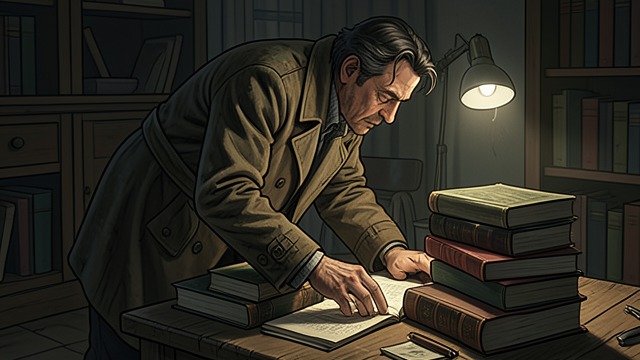
Reading as a Human Bond
The Guardian's Teaching
Isaac tells Daniel that every book carries the writer's and readers' lives within it.
Adoption as Care
The Cemetery's tradition makes reading an ethical relationship: a book is not merely owned but kept available for another life to encounter.
The First Book in the Heart
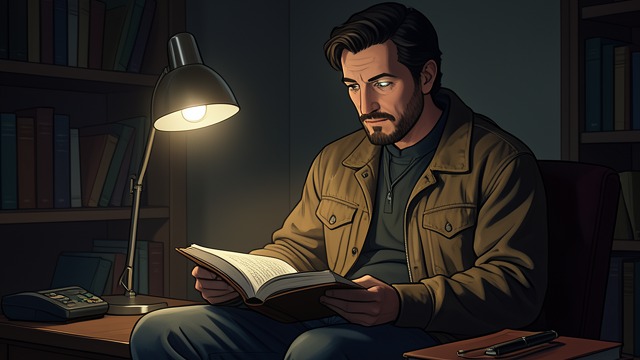
A Reader Is Changed
A Night of Reading
Daniel reads The Shadow of the Wind through the night and feels its fictional world become inseparable from his own.
Memory's Architecture
The novel suggests that early reading builds an inner place to which a person returns, even as years change what that place means.
The Author's Characters
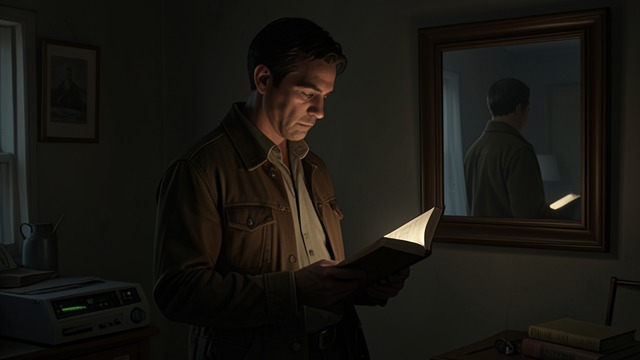
A Self Written into Fiction
Carax's Belief
Carax tells Nuria that his characters are versions of himself, so destroying his books would destroy the surviving forms of his identity.
The Reader's Counterclaim
Daniel's refusal to sell the novel proves that a work can acquire a life beyond the author's intention or despair.
Nuria's Written Memory
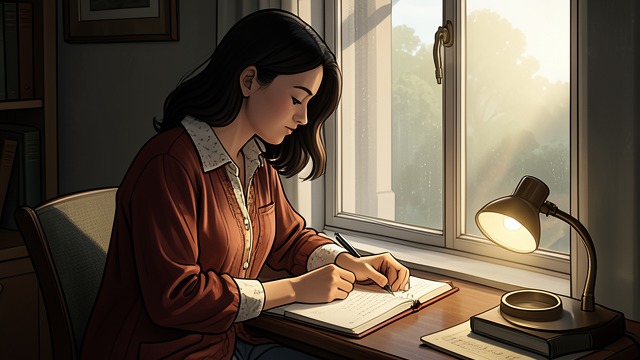
Testimony Resists Erasure
A Private Record
Nuria writes her account to explain choices and betrayals that official records distort or omit.
A New Reader
Daniel receives the manuscript and becomes responsible for carrying her story forward, making memory an act performed between generations.
The Son's Inheritance
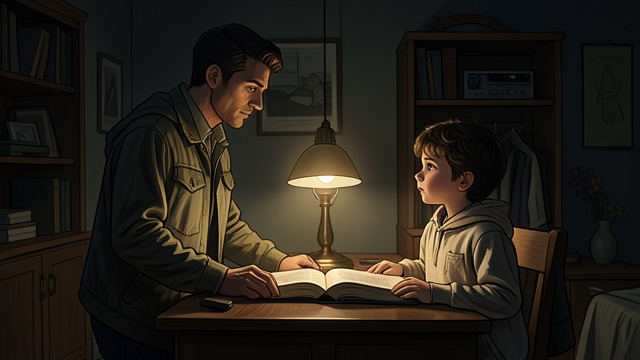
A Story Passed On
Another First Visit
Daniel introduces his son Julian to the Cemetery, repeating the beginning of his own life as a reader.
Survival Through Remembrance
Carax's writing, Nuria's account, and family memory endure because new readers receive them rather than allowing them to vanish.
June 1945
June 1945
1933-1955, recalled through testimony
1955
1966
